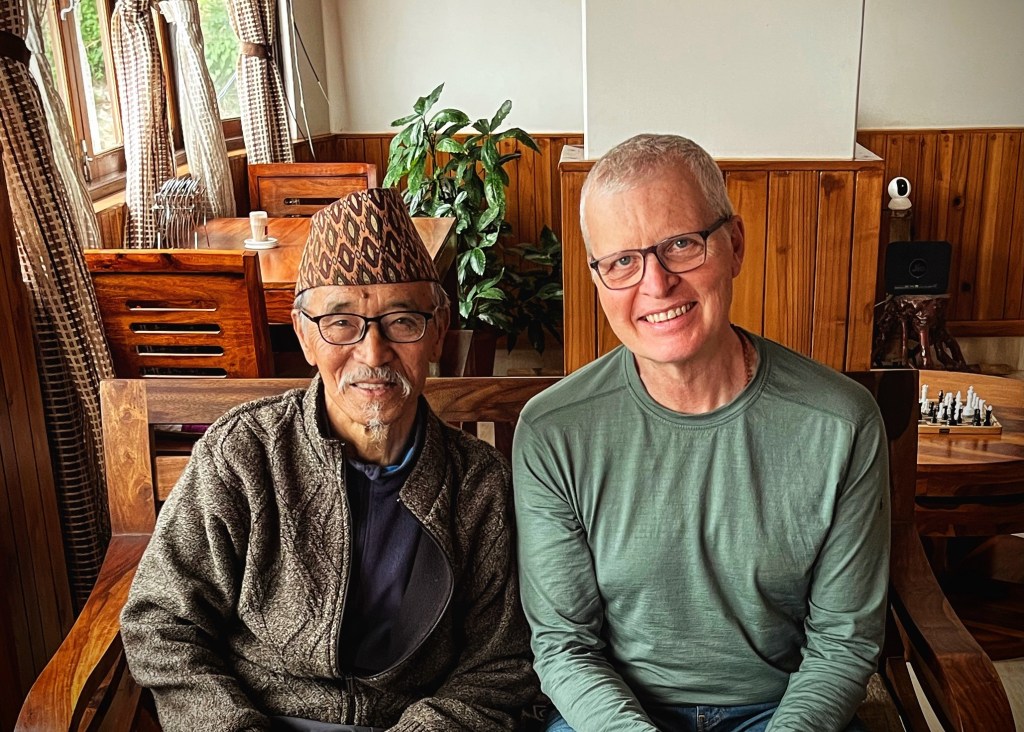
After being in crowded cities for a few weeks we were ready for some fresh mountain air and some peace and quiet. We made a plan to travel into Northeast India, an area we haven’t explored yet. Getting to Darjeeling seemed easy enough. A short 50 minute flight from Calcutta, and a “quick” 42 mile drive up into the foothills of the Himalayas, right? How long could it take to drive 42 miles? If I’ve learned anything about India in the last 16 years traveling here it is that nothing is quick. We landed at Bagdogra airport, a place we’ve never heard of, and hired a taxi to Darjeeling. Driving through the dusty towns and then snaking along the sharp, steep winding roads for hours, we continued up and up and up. The traffic jams were brutal. At one point it took hours to get through a stretch of road that should have taken minutes. Did I mention the traffic was unbelievable? The roads are unimaginably narrow and the exhaust fumes from the stalled traffic was unbearable at times. We finally arrived in Darjeeling and checked into an Airbnb for the night. Our original reservation at the Singtom Tea Estates was pushed back a day as they didn’t have our room ready. The Airbnb room was on the 4th floor of a family home. Each son had their own floor, and the top floor housed 4 Airbnb guest rooms. Netra, and elderly man and head of the family, sat with us in the common area. He spoke very little English, but within a minute or 2, I had a conversation going with him, some Hindi, some English, some Nepali. He guessed my age as 45 (brownie points there) and we discovered that we both preferred dal, rice, roti and vegetables as our favorite food. He made an otherwise horrible travel day worth it. We laughed and smiled.
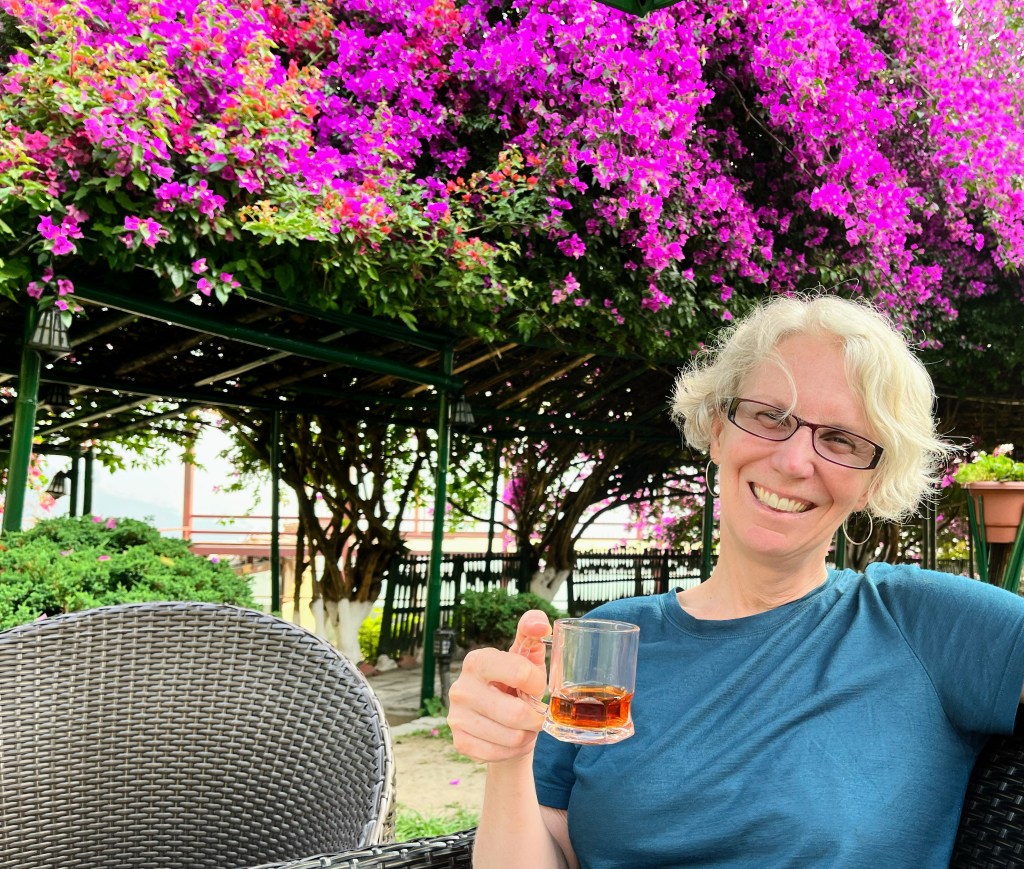
In the morning we hired a car to take us to Singtom Tea Estates & Resort. The fairly short ride down the hills to the tea estate was the steepest, narrowest road I’ve ever been on. At one point I sensed the driver was even a bit horrified at the condition of the road and its grade. When we arrived we were greeted by a young woman, Suparna (pronounced Shapurna), a transplant from Calcutta who had just taken on the job of assistant manager of the guesthouse a few weeks prior. She ordered tea for us and we sat outside enjoying it while our room was prepared. The 1860’s guesthouse sits in the center of 600 acres of their tea plantation, surrounded by dozens of other tea plantations. From the back deck there is a viewing spot for Mount Kanchenjunga, the 3rd highest peak in the world. It was cloudy where the peak was but otherwise the local weather was perfect. And it was quiet. And scenic. And we had tea. Darjeeling tea. And it was grown and processed right where we were.
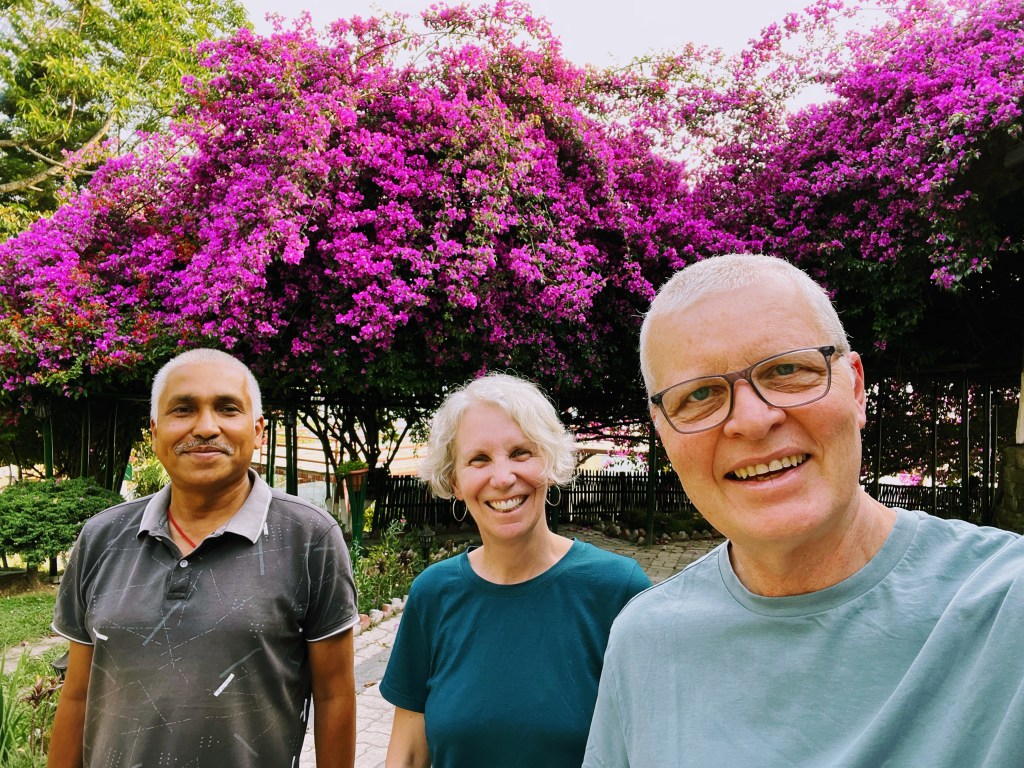
A short while later on the front lawn we ran into Mr. Madham, the manager of the tea plantation. He has 25+ years in the business and has spent time in Africa learning about tea. Like most folks we’ve crossed paths with, Madham speaks multiple languages including English, Hindi, Nepali, and a little Portuguese he picked up from a stint in Mozambique. During our brief introduction and visit with him we learned the estate had 600+ acres and 600+ workers plucking tea. We arranged for a hike through the tea fields the following day.
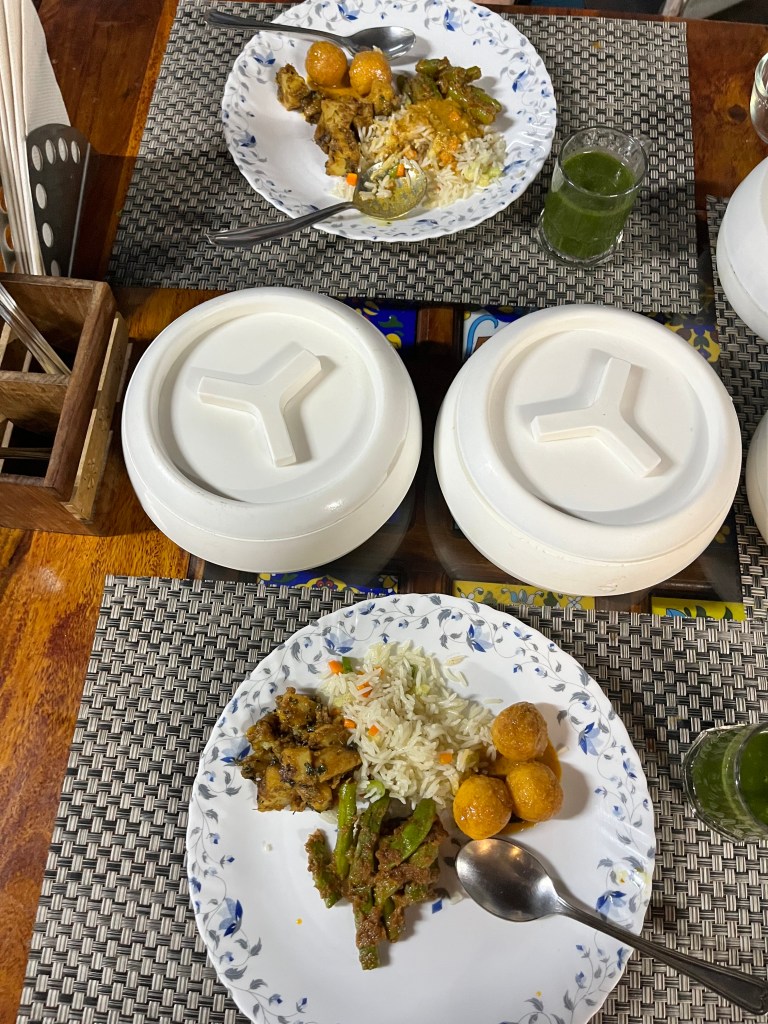
The guesthouse was a pretty cool place but not perfect. Own room was super large with its own small antique fireplace. Large windows opened to nice views of the surrounding hills and mountains. The bathroom could have used some new shower curtains and a deep cleaning. The bed was large and super firm, not very comfortable. Electricity was available about 50% of the time and there was construction going on most of the day. They are adding more modern guest rooms to the property along with a pool, function room, Yoga deck, spa and fitness gym. Other guests arriving between 10pm and midnight were loud, and one family even played music through a portable Bluetooth speaker around 11 pm, well after we had fallen asleep. But, the staff and food made up for the shortcomings. All staff were friendly and helpful and happy. We took all our meals at the guesthouse as it was almost impossible to get back into the town of Darjeeling, considering the steep winding roads and remoteness of the resort. Walking was not an option and it cost $20 each way for a driver. A $10 dinner in town would end up being $50 including transportation. The food at the guesthouse was pure Indian vegetarian. Right up our alley. Almost 100% of the food was grown locally, really locally. And like the tea, it’s organic. The staff took a long time to prepare each meal, often times hours, and it was delicious and plentiful. We really enjoyed it.

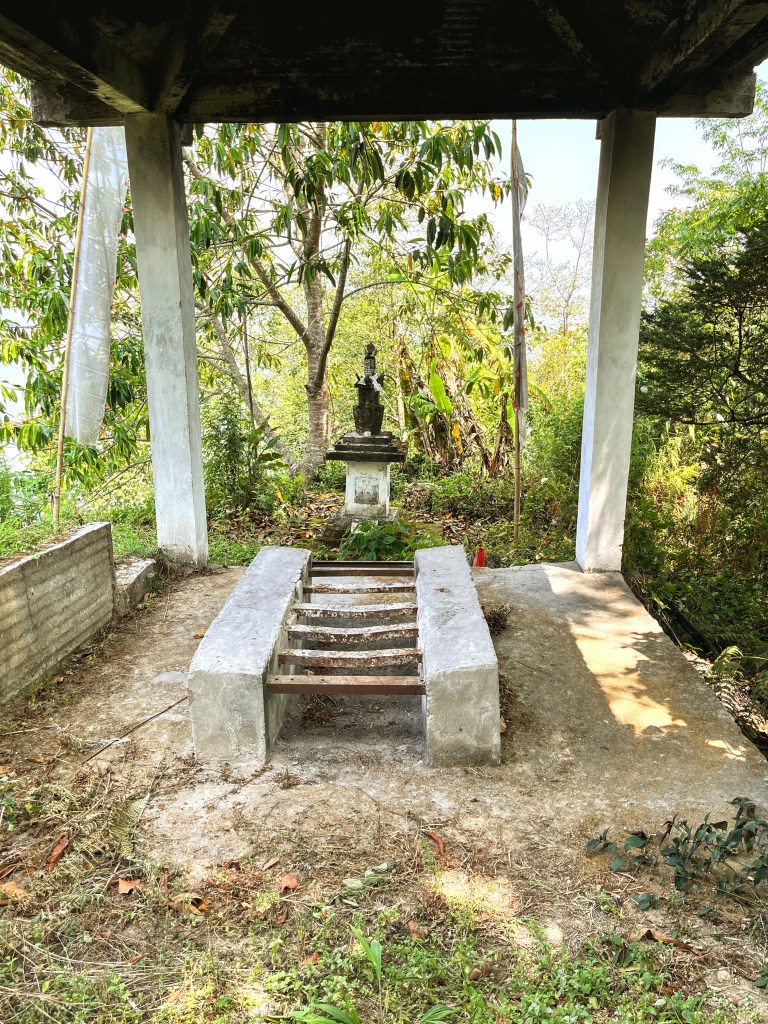
The next day we started our hike through the tea plantation with our guide Surya. Surya is a young man, mid twenties, recently hired here. After a bit of hiking and taking in the scenery we were trading stories about Indian history, our travels, Hinduism, politics and more. One of our objectives on the hike was to see the workers “plucking” the tea in the fields. We got off track and stumbled across a small cement structure in the middle of nowhere. I approached it to check it out. It ended up being a cremation site for the locals. Even though this is India the locals all speak Nepali. I hung out at the cremation site for a bit and pondered my own mortality, the impermanence of all things. What is born must die. I’ve learned not only to savor every day but to constantly contemplate my eventual demise, learning what’s important in life and how to live a full and better life.
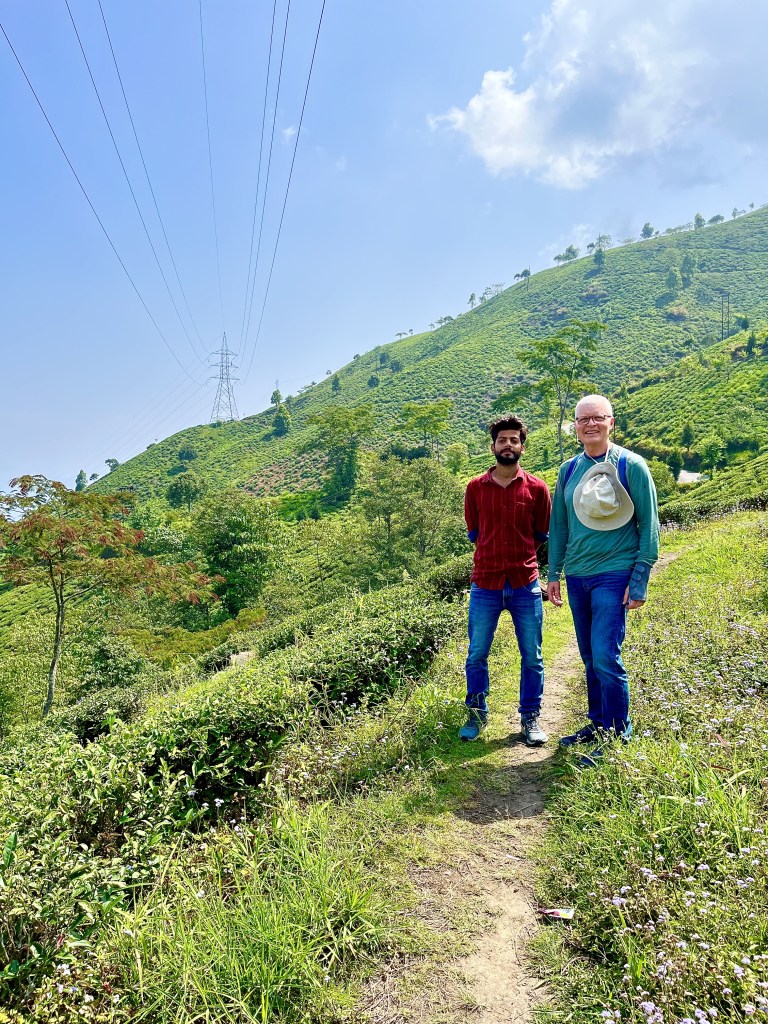
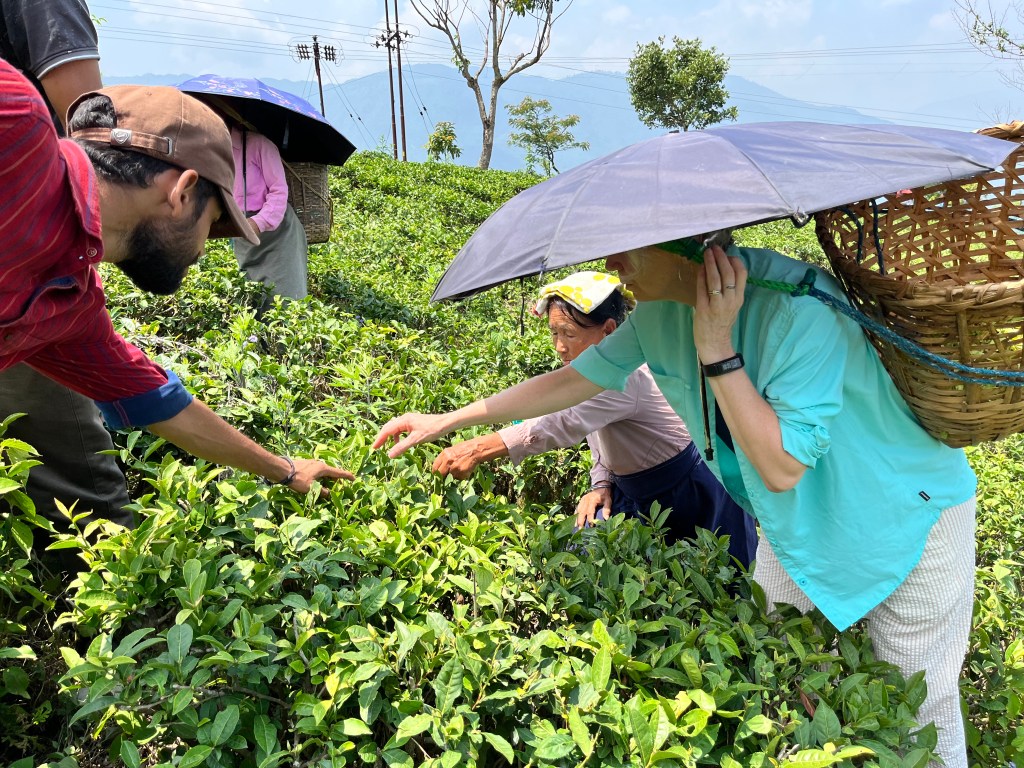
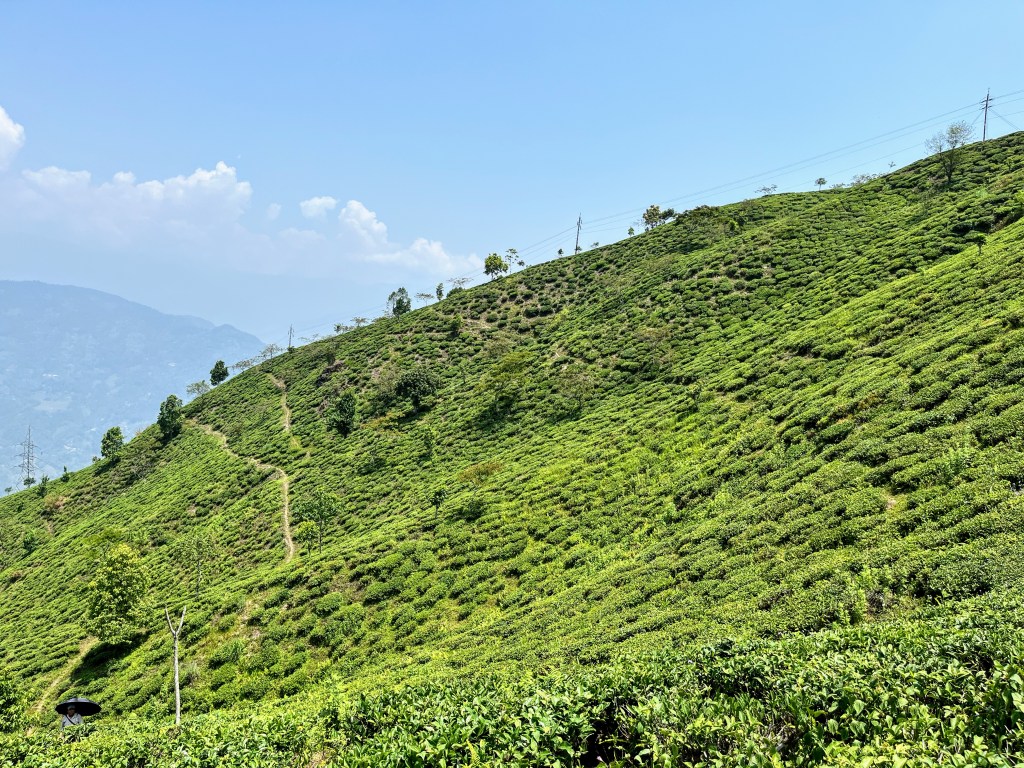
We continued our hiking through the tea fields and eventually met up with Mr. Madham and then a group of tea pluckers who pluck the top 2 leaves and the bud only. There are 4 flushes (batches) of Darjeeling tea picked every year – first flush, second flush, monsoon flush and autumn flush. First flush is plucked March into May. Second flush is plucked May until the monsoon starts. Monsoon flush is plucked during the monsoon. Autumn flush is plucked fro the end of the monsoon into autumn. There is no plucking from November until March. This is when pruning takes place. All of the thousands of tea bushes we saw were 3 feet high or less.
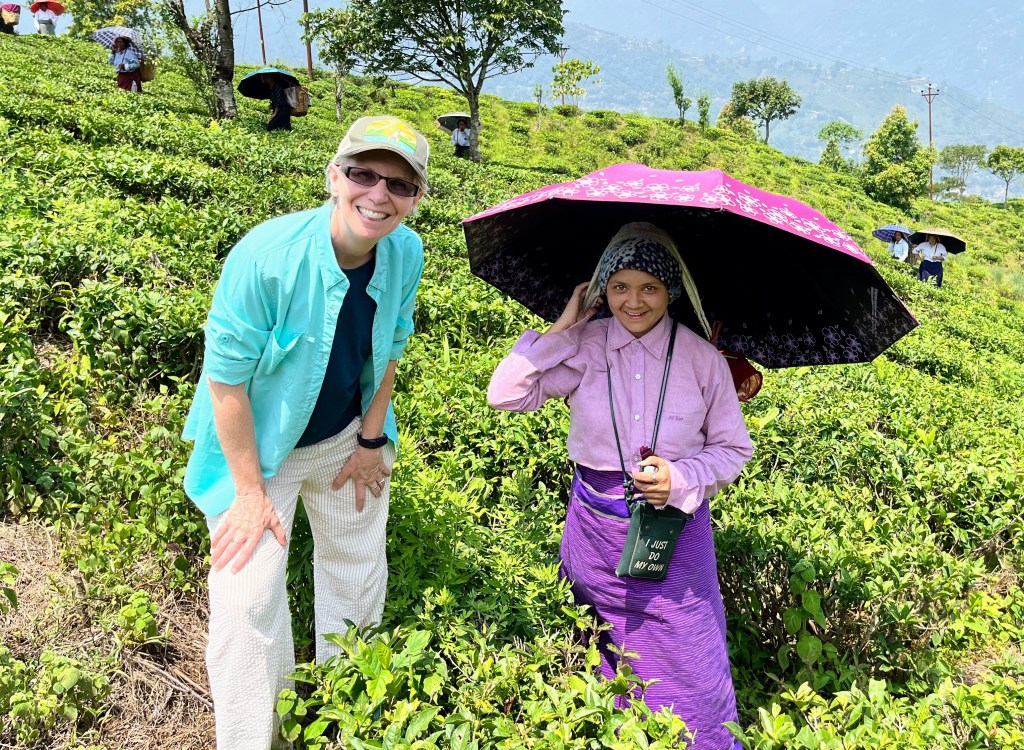
Each of the flushes have different characteristics and it’s a mostly personal preference as to which one you may like. We drank a LOT tea during our 3 day stay. First flush seemed a lighter color to us and the taste was at the front of the tongue. Second flush was a little darker but still fairly light. Autumn flush seemed deeper in color and the taste was more at the sides of the tongue.
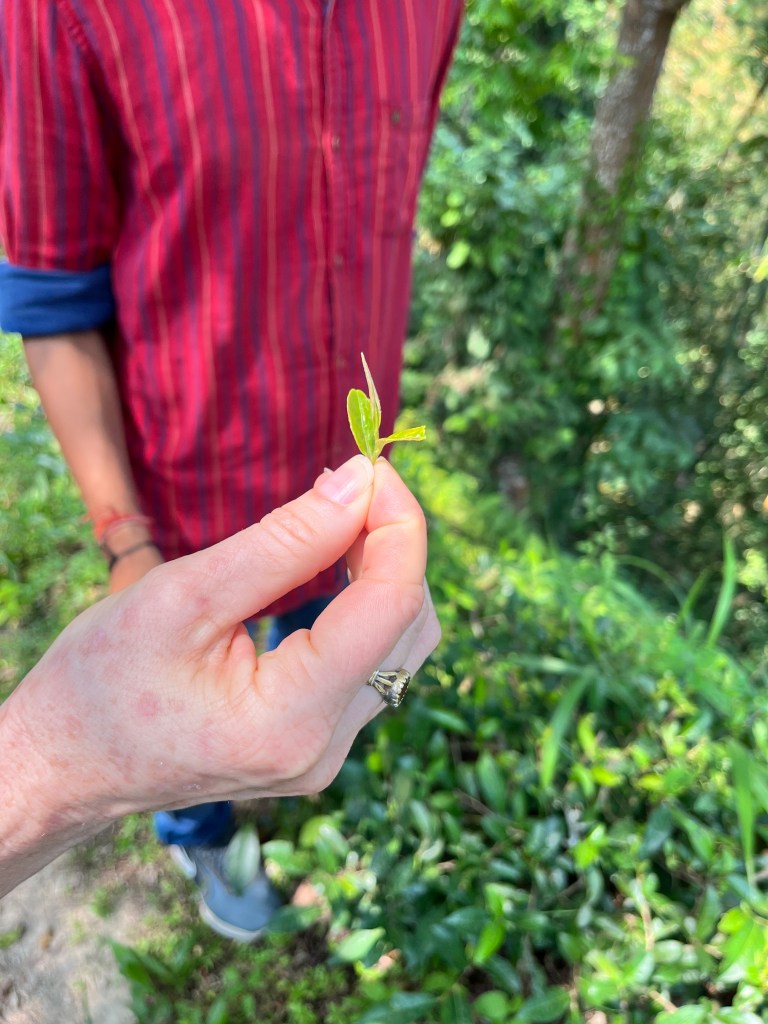

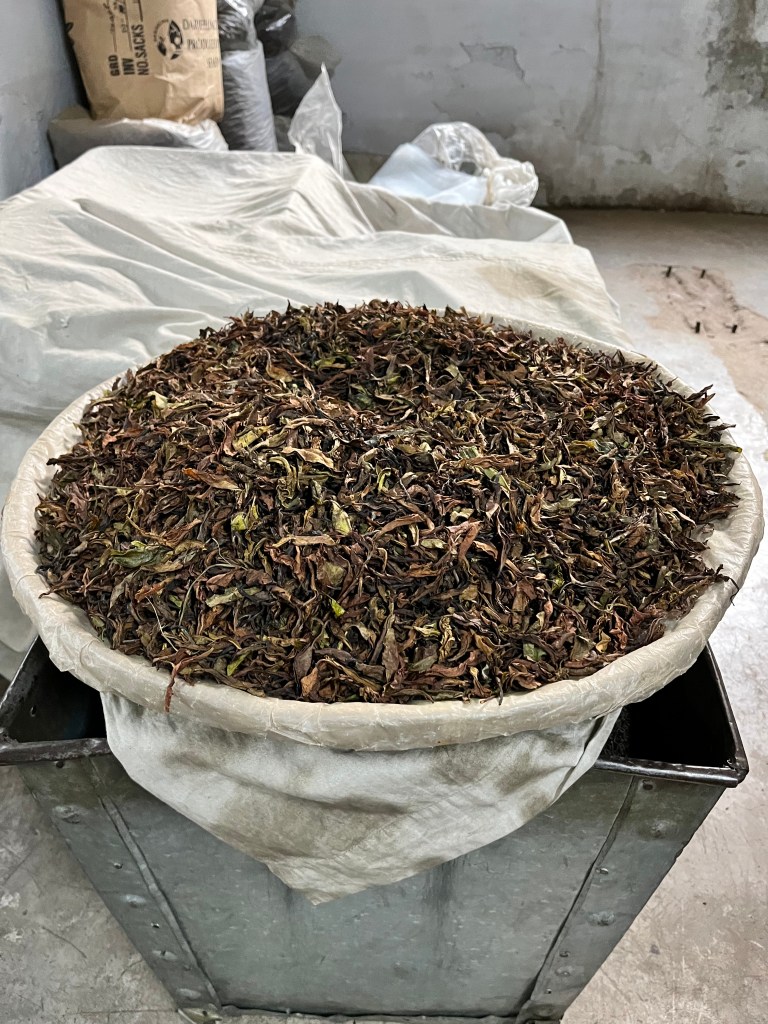
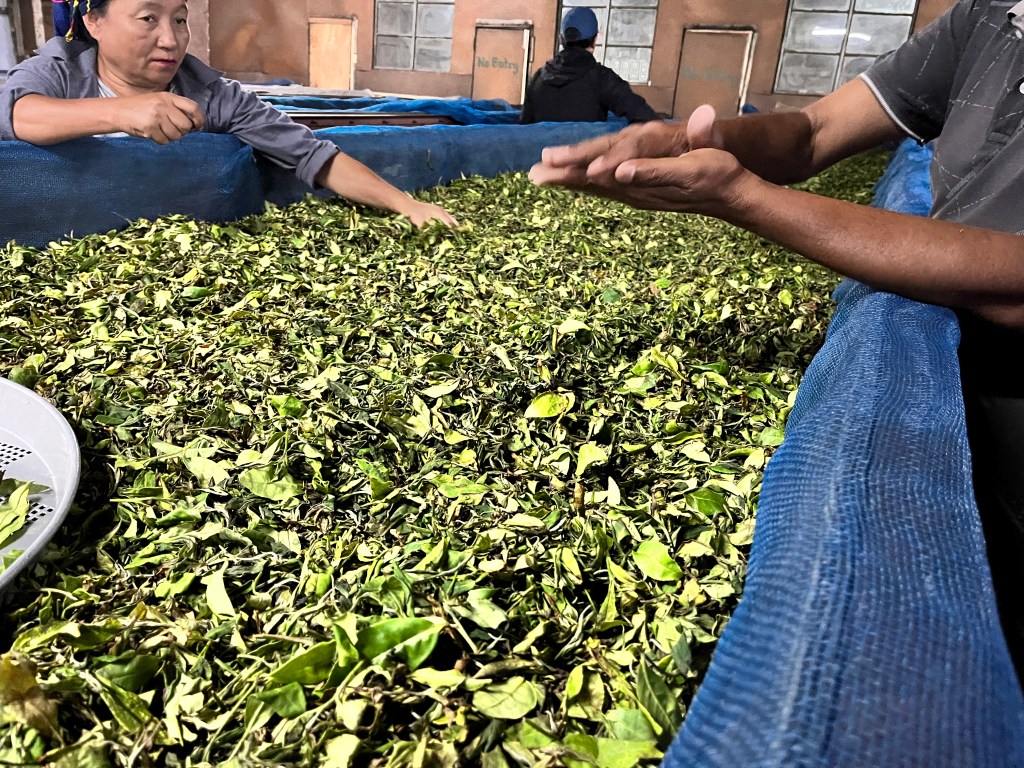
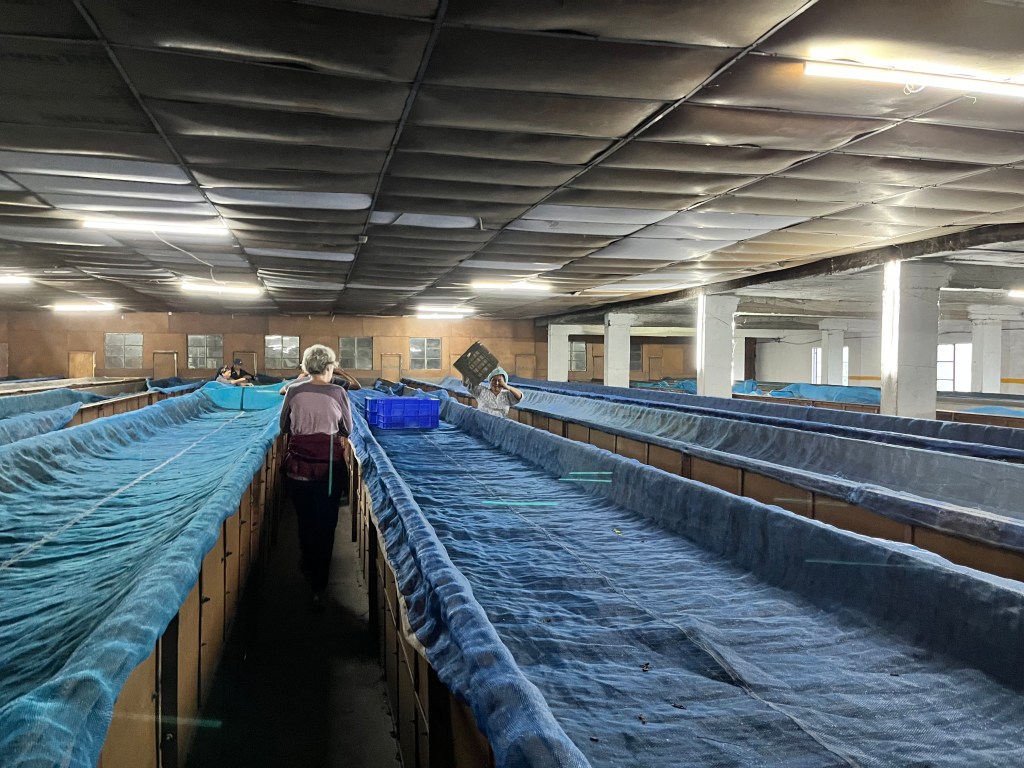
The next morning we got up at 5 am and hiked over to the tea factory. The tea that we watched being plucked was being manufactured. First it gets oxidized to add flavor, aroma and strength. It’s like it gets dried out a little as it’s are exposed to the air. The tea is spread out in long table like containers in a net. A shift of workers start at 3 am and pick through the harvest by hand on the oxidation tables and look for any inconsistencies, which they promptly remove by hand.
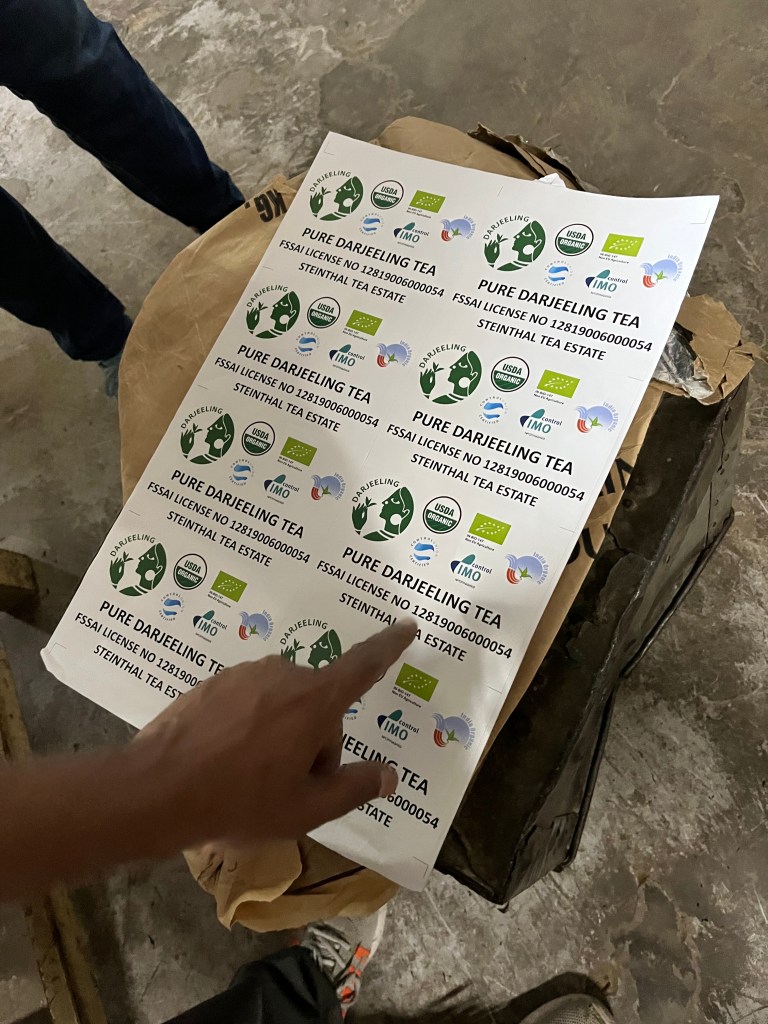
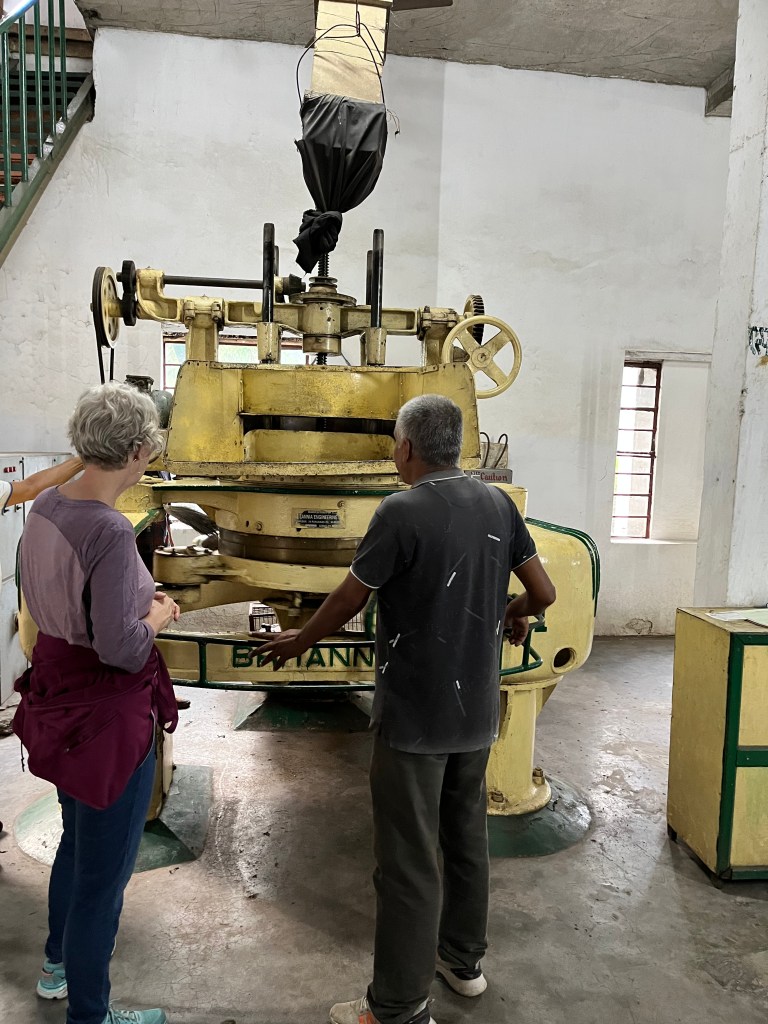
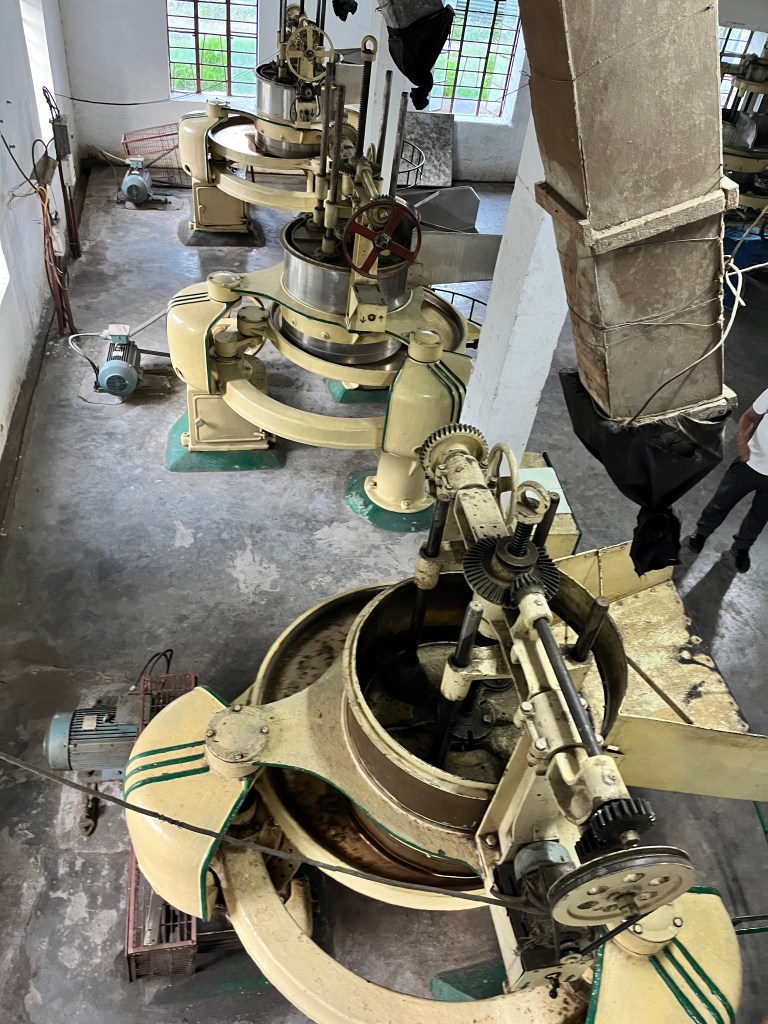
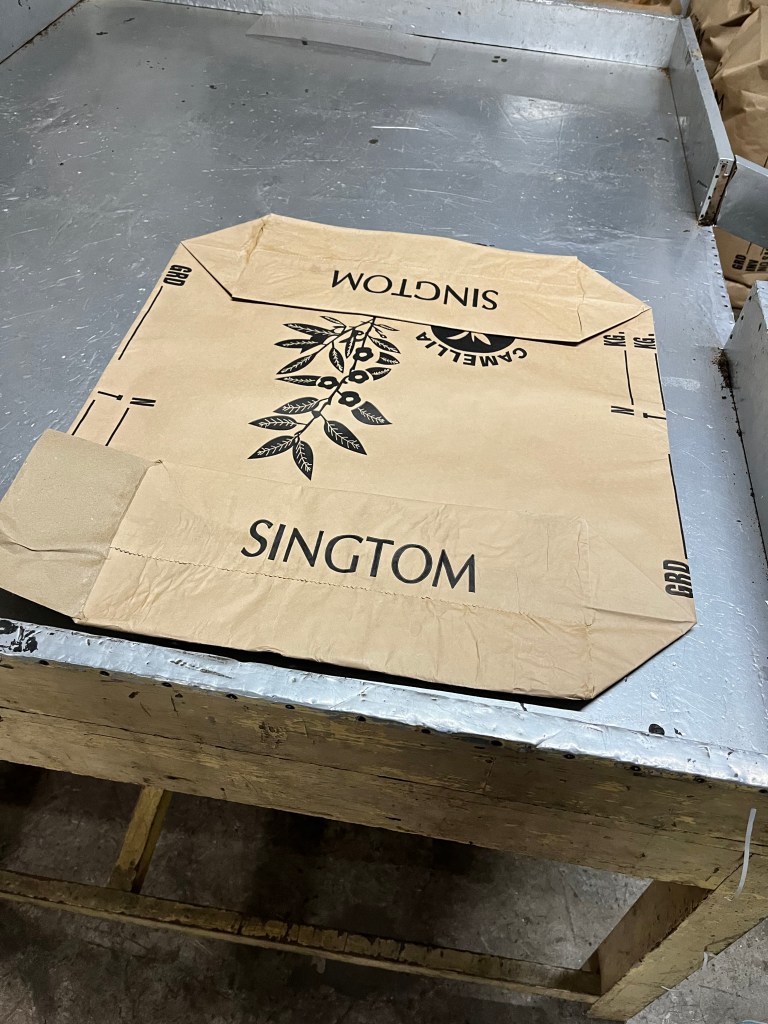
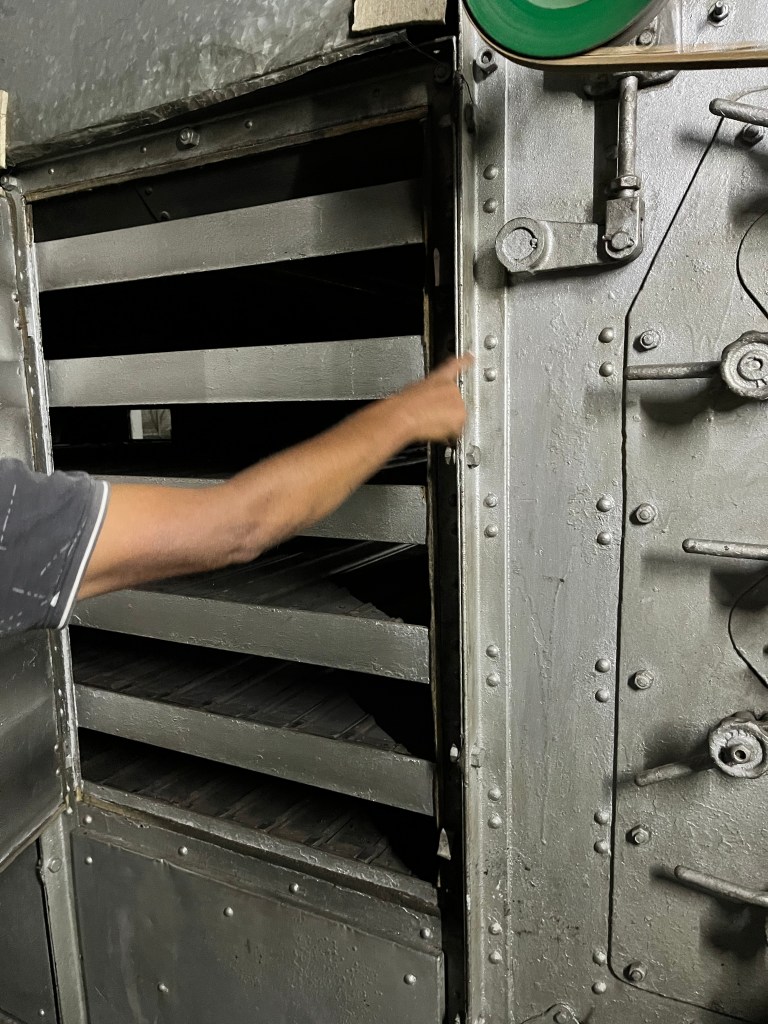
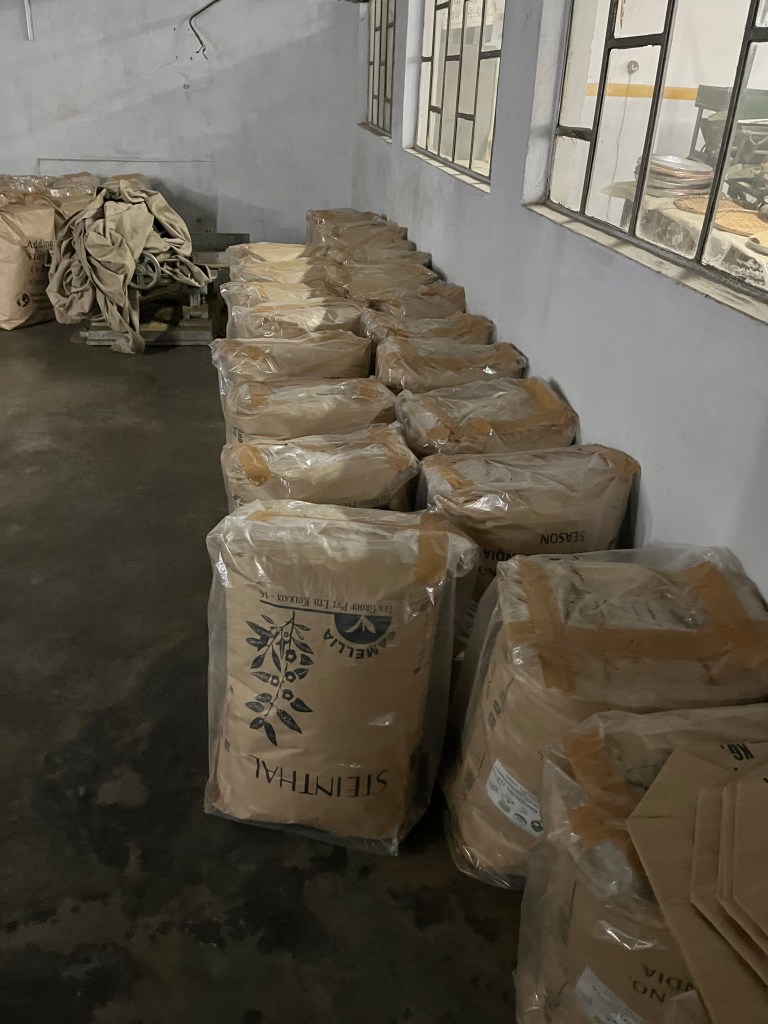
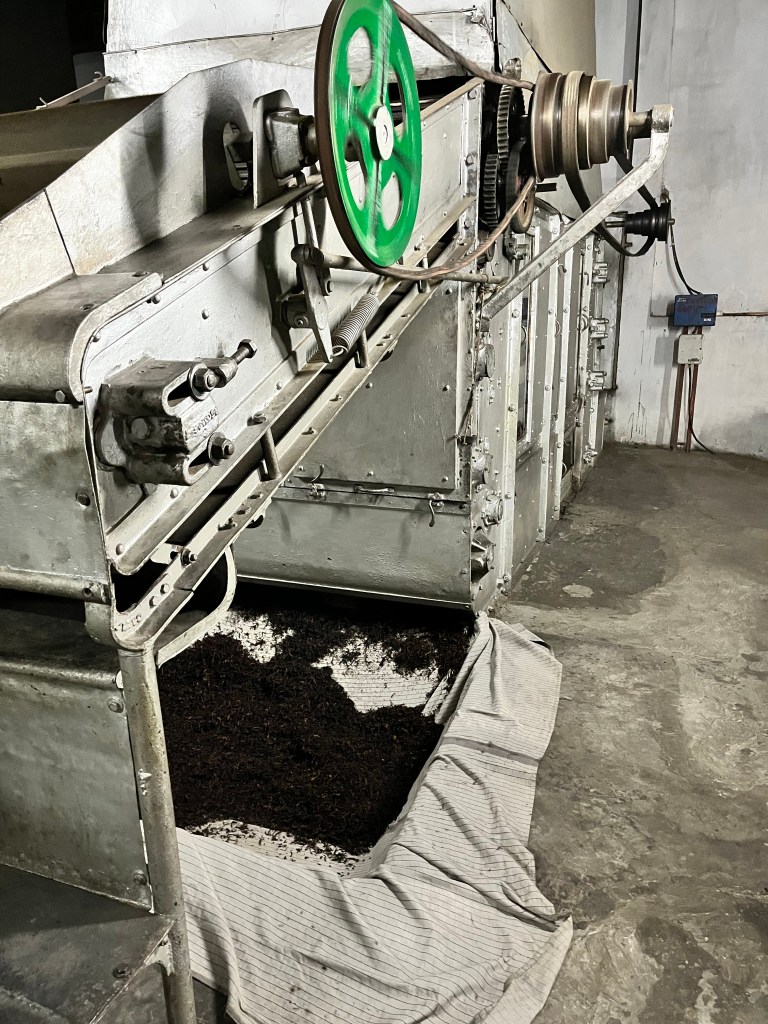
Next the tea goes into another room where it is rolled by a machine that looks almost as old as the plantation. This happens twice. Then the tea goes back for a second oxidation process. Next the tea is dried at 250 degrees for 22 minutes. Finally it goes to a grader who decides the quality of the tea and rates it. Next it goes on to packaging. I stopped a minute here and thought the tea that we saw being plucked yesterday goes through this process in less than 24 hours and it’s ready for packaging. Talk about fresh. It is packaged in bulk into 37 pound bags then wrapped in plastic. The bags go to Calcutta to the tea auction. The estate produces 200 to 1500 pounds of organic Darjeeling tea a day!

The travel up to Darjeeling was a rough slog. The journey down to the tea estate was harrowing. And we had to do it all in reverse again to move onward in our travels. But the experience was amazing. We really lucked out meeting all the wonderful warm, friendly and knowledgable staff at Singtom Tea Estate and being able to see this process first hand. I’m not sure I’d put myself through it again but I’m glad I did it. Oh yeah, we had an official tea tasting too and are bringing some home with us!
Next it’s back the way we came and on to Bangkok, Thailand, one of my personal favorite places.
Discover more from Which Country From?
Subscribe to get the latest posts sent to your email.
 Which Country From?